

Exploring the evolution of gambling through the ages
Exploring the evolution of gambling through the ages
The Origins of Gambling
The history of gambling can be traced back thousands of years, with evidence found in ancient civilizations such as Mesopotamia and China. The earliest forms included rudimentary games of chance, often involving dice or other simple mechanisms. These early forms of gambling were not merely pastimes; they played significant roles in cultural rituals and societal gatherings, reflecting the human fascination with luck and fortune. For those wanting to explore further, you can read more about the evolution of these early practices.
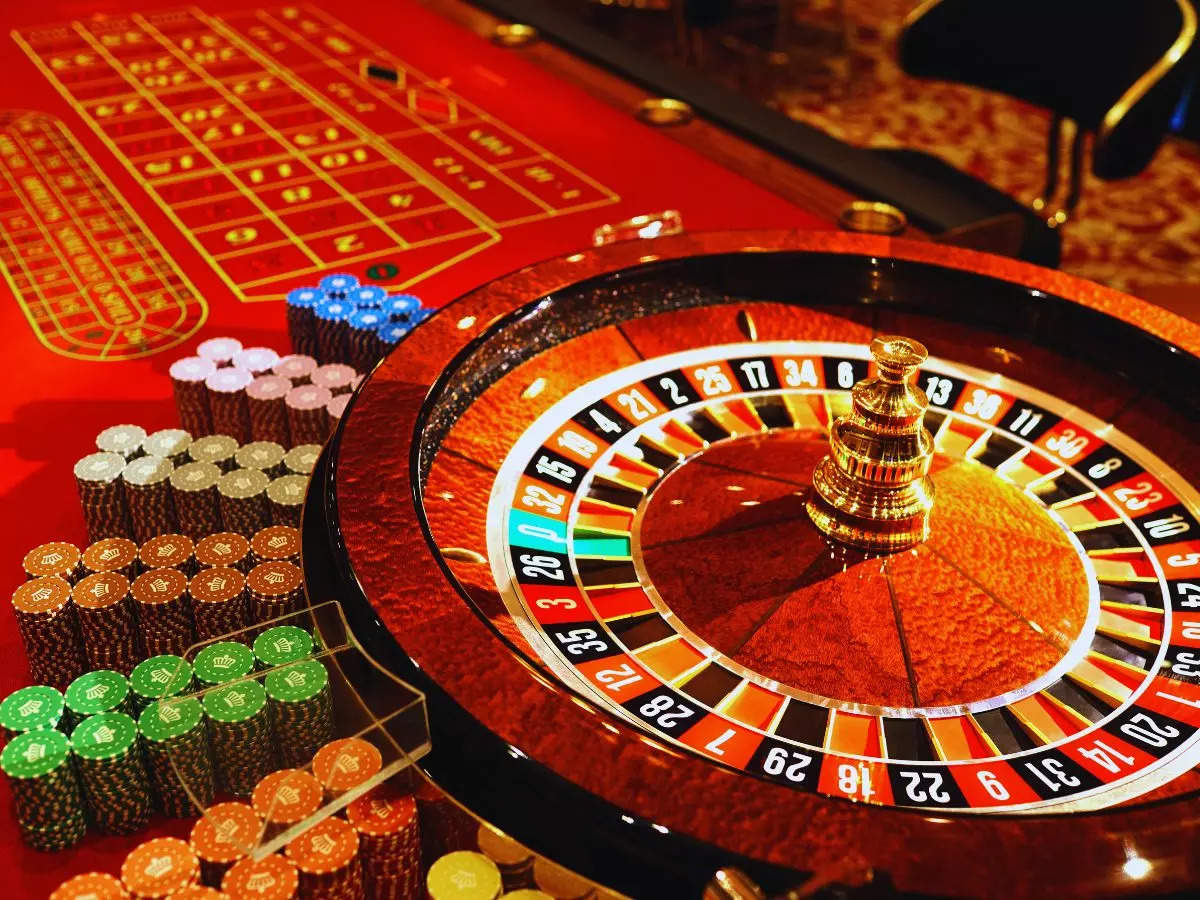
As societies evolved, so did the concept of gambling. By the time of the Roman Empire, gambling had become an organized activity. Romans engaged in various games, and betting on chariot races was particularly popular. This period marked the beginning of a structured gambling framework that included rules and regulations, setting the stage for future developments.
The Influence of Religion and Morality
Throughout history, gambling has often been met with scrutiny from religious and moral authorities. Various cultures imposed restrictions or outright bans on gambling, viewing it as a vice that could lead to moral decay. The Church in medieval Europe, for instance, strongly condemned gambling, fearing it would foster greed and disrupt social harmony. Despite this, underground gambling persisted, showcasing the resilience of this activity in human culture.
In contrast, some societies embraced gambling as an integral part of their culture. In countries like China, games like Mahjong became social activities that reinforced community bonds. This duality illustrates the ongoing tension between the enjoyment of gambling and the moral concerns it raises, a theme that continues to evolve in modern times.
The Birth of Casinos
The 17th century saw the emergence of the first official casinos in Italy, where nobles gathered to play games like baccarat and roulette. This development marked a significant shift in gambling, transforming it from informal settings into structured establishments. The concept of the casino spread throughout Europe, becoming synonymous with luxury and entertainment.
As casinos gained popularity, they also began to attract the attention of lawmakers. The need for regulation became apparent, leading to the establishment of laws governing gambling practices. This legal framework was crucial for ensuring fair play and protecting players, paving the way for the modern casino industry we recognize today.
The Digital Revolution and Online Gambling
The late 20th century ushered in a new era for gambling with the advent of the internet. Online casinos emerged, offering players the chance to experience traditional games from the comfort of their homes. This transition not only expanded the reach of gambling but also transformed the types of games available, introducing innovative formats that appealed to a broader audience.
However, this rapid growth also presented challenges in terms of regulation. Governments worldwide grappled with how to effectively oversee online gambling, leading to a patchwork of laws and regulations. The ongoing evolution of digital gambling continues to shape the industry, raising questions about fairness, security, and responsible gaming practices.

Understanding Modern Gambling Regulations
In today’s landscape, gambling regulations are crucial for maintaining a fair and safe environment for players. Countries have implemented various frameworks to manage casinos, sports betting, and online gambling platforms. These regulations aim to protect consumers, ensure transparency, and curb illegal gambling activities.
As the gambling industry continues to evolve, so too do the laws governing it. Ongoing discussions about responsible gambling practices, player protection, and the impact of technology on the industry are central to shaping future regulations. Understanding this evolving legal landscape is essential for anyone interested in gambling, whether as a player or as a stakeholder in the industry.